 Monday 17 August 2026
 Ferhunde
What Is 5G? What Is the Difference Between 4G and 5G? Everything You Need to Know About 5G Technology Mobile internet technologies are becoming faste...
See more
 Homepage
 Blog
Home Blog
How Useful Are Smartwatches Really? Advantages, Features, and Things to Consider
Blog
Home Blog
How Useful Are Smartwatches Really? Advantages, Features, and Things to Consider
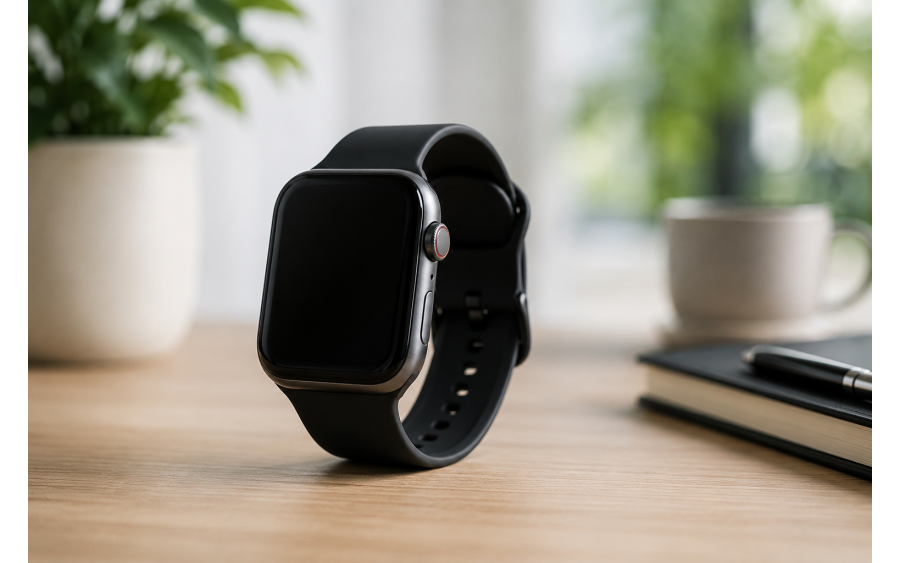
A few years ago, smartwatches were mostly seen as technological accessories used for viewing notifications and counting steps. Today, smartwatch technology can be used in many different areas, from health tracking and sports analysis to communication and daily planning.
So, are smartwatches really useful? Is it worth spending money on a smartwatch? Or are they simply repeating the functions of a smartphone on a smaller screen?
The answer depends on what you want to use the smartwatch for. However, when you choose the right model, a smartwatch can be a highly practical technology that makes everyday life easier.
A smartwatch is a wearable technology device that can connect to smartphones, run applications, and track users' daily activities through various sensors.
Depending on the model, a smartwatch can be used to:
Thanks to these features, smartwatches are no longer just watches. They have evolved into small digital assistants that can be useful in everyday life.
One of the most important uses of smartwatches is health and activity tracking. Various types of data, such as daily steps, active time, heart rate, and sleep patterns on some models, can be monitored.
This information can be particularly motivating for people who regularly walk or exercise. Setting daily goals and tracking progress over time can make it easier to develop a more active lifestyle.
However, it is important to remember that health data provided by smartwatches is not a substitute for medical diagnosis. The accuracy of some measurements may vary depending on the sensors, device, and measurement conditions.
Smartwatches that offer sports tracking for activities such as running, walking, cycling, swimming, and various workouts can help users monitor their training more consistently.
Models equipped with GPS can also track information such as distance, pace, and routes during outdoor activities.
For people who exercise regularly, a smartwatch can be particularly useful because it provides access to workout data without having to carry a smartphone.
One of the most practical features of smartwatches is the ability to view smartphone notifications directly from your wrist.
When your phone is in your bag or in another room, you can quickly check:
This feature can be especially convenient for people who are busy throughout the day and do not want to constantly check their phones.
Some smartwatches have built-in microphones and speakers. When connected to a smartphone, incoming calls can be answered directly from the watch.
This can be very practical for short conversations, especially when driving or when your phone is somewhere difficult to reach.
Many modern smartwatches can provide various types of information about sleep when worn throughout the night.
Sleep tracking allows users to see their bedtime and wake-up times, total sleep duration, and, on some models, estimates of different sleep stages.
However, these results should not be considered precise medical measurements. Wearable devices can be useful for observing long-term trends, while the accuracy of more complex health measurements can vary depending on the device and conditions.
Smartwatches with GPS can be particularly useful for runners, cyclists, and people who enjoy outdoor activities.
Without constantly carrying your phone in your hand, you can see:
Some advanced models also allow users to access maps directly from the watch.
This is one of the most frequently asked questions about smartwatches.
Today, some smartwatches can offer features such as heart rhythm monitoring, heart rate tracking, blood oxygen measurements, and, in some cases, ECG functionality. Certain models can also alert users to irregular heart rhythms or detect falls.
However, a smartwatch is not a doctor or a hospital-grade medical device.
For example, an abnormal health measurement does not necessarily mean that you have a serious medical condition. Similarly, a normal reading from a smartwatch does not guarantee that there is no health problem.
For this reason, it is generally better to use smartwatch health data to monitor long-term trends and, when necessary, share relevant information with a healthcare professional.
Like any technology, smartwatches also have some disadvantages.
One of the most common issues with smartwatches is battery life. Intensive use of GPS, continuous health tracking, and a bright display can increase battery consumption.
While some models can last for several days, certain advanced models with more features may need to be charged more frequently.
Many smartwatches require a smartphone connection to take full advantage of all their features.
Therefore, it is important to check Android and iPhone compatibility before purchasing a smartwatch.
Having every smartphone notification appear on your wrist may seem useful at first, but it can become distracting over time.
For this reason, selecting only the notifications that are genuinely important can make your smartwatch much more useful.
Constantly checking health data can cause unnecessary anxiety for some people. Instead of focusing on a single measurement, it may be more useful to look at overall trends over time. Experts also emphasize that data from wearable devices should be considered alongside symptoms and professional medical evaluation.
When buying a smartwatch, it is not enough to consider only the design or the brand.
You should carefully evaluate the following features:
Phone compatibility: Make sure the smartwatch works with the smartphone you use.
Battery life: Consider how frequently you are willing to charge the device.
Health features: Determine which features you actually need, such as heart rate monitoring, sleep tracking, GPS, or ECG.
Sports features: If you exercise regularly, check which activities are supported and evaluate the GPS performance.
Water resistance: If you swim or participate in water sports, check the device's water-resistance rating and intended use.
Comfort: If you plan to wear the watch throughout the day or even at night, its weight and strap design are important.
Ecosystem: Choosing a model that works well with your smartphone and the applications you use can have a significant impact on the overall user experience.
Smartwatches can be particularly useful for:
On the other hand, if you only want to tell the time and do not need smart features, a traditional watch may be a more practical choice.
There is no single answer to this question.
If you walk frequently, exercise, want to check notifications quickly, or enjoy monitoring your health and activity data, a smartwatch can be extremely useful.
However, if you are only going to use the smartwatch to repeat tasks that you already perform on your smartphone, spending a large amount of money on a high-end model may not be necessary.
The important thing is not how many features the smartwatch has, but which features you actually use.
What Is 5G? What Is the Difference Between 4G and 5G? Everything You Need to Know About 5G Technology Mobile internet technologies are becoming faste...
See more

Some games have a story long before they actually reach players. 1666: Amsterdam is one of them. The project has been surrounded by uncertainty for ye...
See more