

 Tuesday 08 September 2026
 Ferhunde
After years away from the spotlight, the Onimusha series is finally returning with a brand-new adventure. Onimusha: Way of the Sword brings Capcom's c...
See more
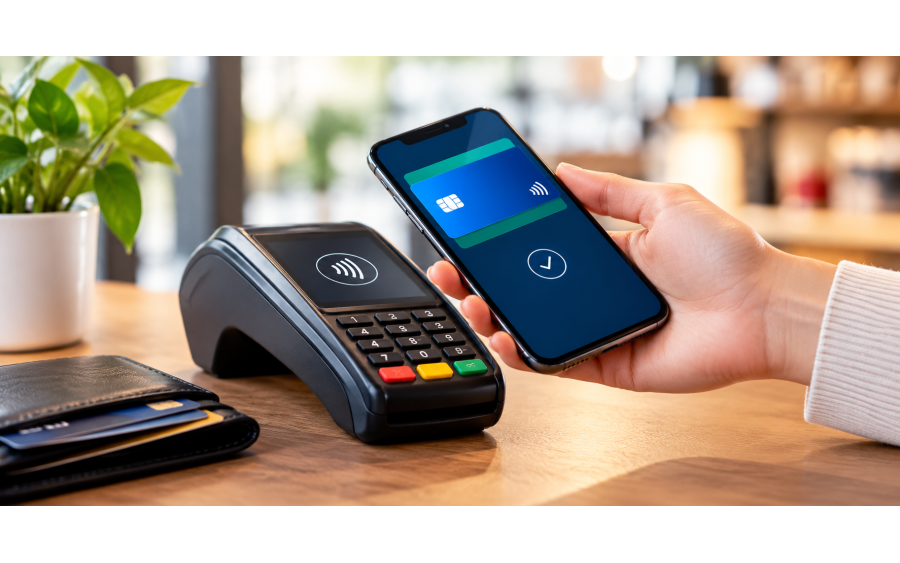
As technology continues to evolve, the payment methods we use in our daily lives are also changing significantly. In addition to cash and physical bank cards, digital wallets have become an increasingly important part of shopping and payment transactions.
Digital wallets can be used on smartphones, tablets, and computers, making it easier to manage bank cards, credit cards, and, in some cases, other payment information digitally. But what is a digital wallet, how does it work, and is it secure?
In this article, we take a detailed look at digital wallet technology and answer some of the most common questions about how it works, its advantages, security, and areas of use.
A digital wallet is a technology that allows users to store payment information digitally and make various payments without using a physical card.
Digital wallets can usually be used as applications on smartphones and tablets. Some services also allow users to make payments through computers and web browsers.
When you add a debit or credit card to a digital wallet, you may not need to enter your card information every time you make a payment at supported stores or websites.
The features offered by digital wallets may vary depending on the service. These features may include:
Storing debit and credit cards
Contactless payments
Faster online payments
Storing digital tickets and passes
Managing loyalty cards
Sending and receiving money in some cases
Making payments using a mobile device
The basic principle behind digital wallets is quite simple. First, the user adds a debit or credit card to a supported digital wallet application.
After the card information has been verified, the digital wallet can be used for payments.
For example, imagine that you want to make a contactless payment at a store using your smartphone. When you bring your phone close to the payment terminal, a secure connection can be established between the device and the terminal, allowing the payment to be completed.
For online purchases, when a supported digital wallet is selected at checkout, the transaction can be completed using the saved payment method.
This system can reduce the need for users to share their physical card details directly with merchants during every purchase.
One of the most important features of digital wallets is their security systems.
Many digital payment systems use technologies such as tokenization to reduce the need to share actual card information during transactions. Tokenization works by replacing sensitive card details with a different digital identifier, or token, that can be used for the transaction.
The security features of the device can also become part of the payment process.
For example, digital wallets may use security methods such as:
Fingerprint authentication
Facial recognition
Screen lock
PIN codes
Device verification
For this reason, keeping your phone protected with a screen lock and paying attention to overall device security is extremely important when using a digital wallet.
There are many reasons why digital wallets are becoming increasingly popular.
Digital wallets can make transactions faster, especially when making contactless payments. Instead of taking a physical card out of your wallet, you can make a payment using your smartphone or smartwatch.
People who use multiple debit or credit cards can manage their supported cards within a digital wallet.
This means they may not need to carry multiple physical cards with them.
Digital wallets can speed up the checkout process on supported websites. Instead of manually entering information such as the card number, expiration date, and security code for every purchase, users can simply select their saved payment method.
Digital wallets can be used for contactless payments through NFC-enabled devices. This feature makes it possible to use smartphones and other compatible devices as payment tools.
Being able to manage cards digitally can reduce the number of physical cards users need to carry every day.
Digital wallets can be a secure payment method when the right security measures are used. However, no digital system is completely risk-free.
Users should pay particular attention to the security of their smartphones and computers.
When using a digital wallet, you can take the following precautions:
Use a strong screen lock on your phone.
Enable biometric security features such as fingerprint or facial recognition.
Keep your operating system and applications up to date.
Use a strong and unique password for your digital wallet account.
Avoid clicking on suspicious links.
Never share your card or account information with others.
Use remote locking or device management features if your device is lost or stolen.
It is also important to be cautious when making transactions over public Wi-Fi networks.
The use of digital wallets is not limited to payments made in physical stores.
Today, digital wallets can be used for:
Payments at physical stores
Online shopping websites
Mobile applications
Public transportation systems
Tickets and event services
Subscription payments
Certain services and digital platforms
However, the services available depend on the features of the digital wallet you use and whether the relevant business supports that payment method.
A digital wallet and a mobile banking application are not the same thing.
Mobile banking is a service that allows you to manage your bank account. You can use mobile banking to check your account balance, transfer money, pay bills, and perform other banking transactions.
A digital wallet, on the other hand, primarily focuses on making it easier to use payment information and digital payment methods.
Some banks offer their own digital wallet features, while certain digital wallets can support cards from multiple banks.
The main difference between a physical bank or credit card and a digital wallet is how the payment method is used.
With a physical card, you can insert the card into a payment terminal, swipe it, or use it for contactless payments.
With a digital wallet, your card information is added to a supported digital system, allowing you to make payments using a smartphone, smartwatch, or another compatible device.
This can provide significant convenience, especially for users who carry their smartphones with them at all times.
The answer depends on the digital wallet and payment method being used.
For contactless payments made at physical stores, an internet connection may not be required for every transaction. However, an internet connection may be necessary for setting up the digital wallet, adding a card, verifying payment information, or performing certain transactions.
For this reason, it is important to check the specific requirements of the digital wallet service you are using.
The widespread use of smartphones in everyday life, the growing popularity of contactless payment technologies, and the increasing number of online purchases are all contributing to the growth of digital wallets.
In the coming years, digital wallets may be used not only for making payments but also for managing digital identities, tickets, membership cards, and various types of digital documents.
Developments in technologies such as NFC, biometric authentication, and mobile payments are also expected to make the digital wallet experience more convenient and practical.

After years away from the spotlight, the Onimusha series is finally returning with a brand-new adventure. Onimusha: Way of the Sword brings Capcom's c...
See more

Bus simulation games are no longer limited to simply getting behind the wheel and transporting passengers from one stop to another. Modern simulation ...
See more
